Childcare rooms seldom feel tranquil for long. A bump on the play ground, a kid that chokes on a grape, a teacher who unexpectedly really feels pale before twenty young children. If you have actually operated in very early knowing for any length of time, you know just how swiftly a routine early morning can become a real emergency.
That is where well made express childcare first aid courses make their place. Not as a "tick package" demand, yet as the foundation of how a solution protects youngsters and supports educators.
I have actually educated and assessed hundreds of very early youth educators in first aid and CPR courses throughout the years. What divides a useful fast first aid course from a featureless one is not simply the timetable, however how well it mirrors the rate, stress, and unpredictability of actual child care environments.
This short article takes a look at what express child care first aid training can and can refrain from doing, exactly how to pick the right option for your solution, and exactly how to balance rate with genuine competency.
Why early discovering facilities need a various type of first aid training
First help in a stockroom or business office is extremely different from first aid in an infant room.
Children can not constantly explain what they really feel. They degrade faster with breathing problems and allergic reactions. Their anatomy is smaller, more fragile, and changes swiftly from infancy to school-age child. On top of that, educators work in proportions, overseeing numerous children simultaneously. You can not simply "step away" for 10 mins to run a complete assessment in peace.
In technique, this indicates first aid and CPR training for educators should be:
- specific to pediatric physiology and youngster advancement realistic concerning proportions, room designs, and exterior play areas aligned with regulative demands for early discovering services achievable within the durations and lineups of a busy center
Express child care first aid courses intend to fulfill this last point without losing the very first 3. They press get in touch with hours, remove cushioning, and utilize combined styles such as online pre‑learning incorporated with short, extensive useful sessions.
When made well, express first aid training values both your time and your responsibilities.
What "express" really suggests in first aid and CPR training
The word "express" can be misleading. Some people think of a 90‑minute seminar that magically replaces a full first aid course. That is not just how reliable training works.
In most jurisdictions, industry‑standard first aid and CPR courses are defined by set understanding results and analysis requirements. A credible express first aid course or express cpr course does not get rid of those outcomes. Rather it alters the means you reach them.
Typically, an express first aid course for child care employees will:
Shift theory right into self‑paced on-line components Use pre‑course tests to focus the classroom time on practical skills Run a fast first aid training session that is highly hands‑on, commonly 3 to 5 hours instead of a full day Assess proficiency with scenario‑based jobs that mirror child care eventsFrom an individual's point of view, the class element really feels much shorter and extra concentrated. From a compliance point of view, the same first aid certificate is provided, given all demands are met.
If a carrier markets express first aid courses or fast cpr courses with unrealistically brief times and no meaningful assessment, that is a red flag. The clock must not be the only metric.
The childcare facts that form course content
Every time I create or update a first aid and cpr course for very early learning solutions, I begin with actual event reports and near misses. Specific patterns repeat.
Choking, allergic reactions, drops from play equipment, seizures, asthma flares, and playground accidents prevail. So are less dramatic however still critical occasions like high fevers, minor head knocks that might conceal a concussion, or a child found with an unidentified tablet in their hand.
An efficient express childcare first aid course acknowledges these facts. Past common fap first aid material, it ought to:
Provide age‑specific CPR training
Heart attack in youngsters is often second to breathing issues. Doing cpr on an infant requires different hand positioning, compression depth, and ventilation proportions than on an older child or grownup. Educators need to really feel the difference, not just review it.
Address choking with reasonable drills
Many childcare incidents involve food, small playthings, or craft products. An excellent quality fast first aid course will have you exercise back strikes and breast or stomach thrusts on pediatric mannequins, not simply "chat with" the steps.
Focus on anaphylaxis and asthma
Peanut allergies, egg allergic reactions, insect attacks, and asthma become part of day-to-day live in very early knowing. Personnel has to be proficient in using auto‑injectors, inhalers with spacers, and created action strategies. In my experience, running repeated, timed drills constructs this fluency more effectively than lectures.
Include head injury decision‑making
Youngsters drop. Educators should understand when a head bump is safely monitored with parents informed, and when to call a rescue. Express first aid training should cover warning symptoms, monitoring periods, and documentation.
Simulate guidance constraints
Actual child care first aid often takes place while various other kids are present and active. Courses that imitate this stress, within reason, create more transfer of finding out to the work environment. Silent, unrealistic circumstances on empty floors do not.
When you evaluate express childcare first aid courses, look less at the sales brochure wording and even more at the scenarios. Ask on your own whether they resemble your areas, your playground, your tour setups.
Blended learning and exactly how to make it benefit educators
Most express first aid and cpr courses for child care rely upon blended shipment. Right here is the common pattern: concept online, sensible face‑to‑face.
From an instructor's point of view, this version works when instructors actually complete the pre‑learning. When they do not, the express component comes to be a problem as opposed to a benefit.
Services that get the most effective worth from express cpr training and fast first aid courses do 3 points right.
They timetable shielded pre‑learning time
Expecting teachers to resolve on-line modules in your home, overdue and worn down, seldom goes well. Centers that allocate a peaceful hour on the roster for online first aid training, or supply alleviation team so individuals can step away, see a lot greater completion prices and much better course engagement.
They usage internal champions
An instructor who enjoys understanding, or an area leader that sees the practical value of fast first aid training, can gently go after coworkers, solution fundamental technology questions, and flag problems early. This assistance is typically extra effective than several reminder emails from an external provider.
They link the theory to their own policies
Online first aid and cpr courses usually teach common concepts. A chosen manager who takes a seat with the team and states, "Let us match what you simply discovered to our own emergency plan and medicine kinds" bridges that void. A 20‑minute interior debrief after an express first aid course can strengthen skills greater than one more hour of slides.
Blended learning is not a shortcut. It is a redistribution of initiative. When you handle that initiative, you secure both your instructors' time and your solution's safety.
Fast vs extensive: discovering the ideal balance
I often get asked for the fastest feasible first aid and cpr training classes, particularly when a facility realises a number of certifications will end. The stress is actual. Ratios still require to be covered, parents still expect open doors at 7:30 am, and no person has extra staff.
The question to ask is not "What is the fastest first aid course near me?" however "What is the fastest course that still leaves my teachers certain and qualified?"
A qualified express child care first aid course recognises that rate has limitations. Right here are the trade‑offs I have seen in practice.
Shorter does not constantly imply cheaper
Fast certification can reduce pause the floor, which saves cash. But if the course is so portable that individuals leave puzzled, you end up paying much more in guidance, case evaluations, and re‑training. Real cost is not the invoice, it is the residual risk.
Confidence is as important as competence
You can pass an official evaluation on CPR techniques and still hesitate in a genuine emergency. Courses that hurry evaluation without repetition and coaching often produce "paper ready" team that do not really feel prepared in their bones.
Refresher frequency matters

Regulators set minimums, not finest practice
Your neighborhood policies could only require one employee with a present first aid certificate on website in all times. That is not the same as finest method. In a multi space service, a single trained person is seldom enough. Express first aid courses make it extra reasonable to train a bigger percentage of your group without frustrating your roster.
When evaluating service providers, look for those who are straightforward about these trade‑offs and happy to claim, "No, we can not properly compress that material any even more."
What a high quality express child care first aid course need to include
Every supplier makes their very own program, however certain elements are non‑negotiable if you desire both conformity and real world capability. A robust express childcare first aid course usually covers:
Primary evaluation and requiring help
Educators need a fast, reputable pattern for examining danger, response, air passage, breathing, circulation, and for turning on emergency solutions. This comes to be the backbone for every scenario.
Child and baby CPR
This includes compressions, breaths, using AEDs safely with pediatric pads, and handling single rescuer versus team feedback in a childcare context. Quality cpr training provides individuals enough exercise to get to a consistent rhythm under mild time pressure.
Choking and airway obstruction
Both partial and full obstruction, with age ideal methods. Great courses have individuals move rapidly between mannequins of different sizes to mimic blended age groups.
Breathing difficulties and asthma
Identifying very early breathing distress, using flatterers and spacers, positioning youngsters safely, and intensifying according to bronchial asthma activity plans.
Anaphylaxis management
Acknowledging signs early, making use of auto‑injectors properly, understanding 2nd dosage timing, and practicing whole‑service responses like calling rescue, notifying households, and managing other children.
Bleeding, cracks, and soft tissue injuries
Especially those occurring from playground events or interior drops. Educators do not need paramedic level detail, however they do need useful bandaging abilities and decision‑making criteria.
Head injuries and seizures
Including when to call a rescue, exactly how to safeguard the kid throughout a seizure, and just how to record and hand over to parents and health and wellness professionals.
Common youth ailments and fever
What can be securely monitored, what calls for urgent testimonial, and how to stabilize infection control with convenience and reassurance.
Record maintaining and communication
A lot of events create documentation. Express childcare first aid training should incorporate occurrence types into situations so instructors method documenting clearly while the memory is fresh, not two hours later.
If a supplier's "express first aid course" for childcare omits core pediatric CPR, choking, or anaphylaxis scenarios, beware. Rate ought to never replace the foundations.
Choosing an express first aid company for your center
From the outdoors, first aid courses can look extremely comparable. Everyone lists CPR, hemorrhaging control, and certifications. The differences depend on distribution design, fitness instructor experience, and just how much they understand very early learning.
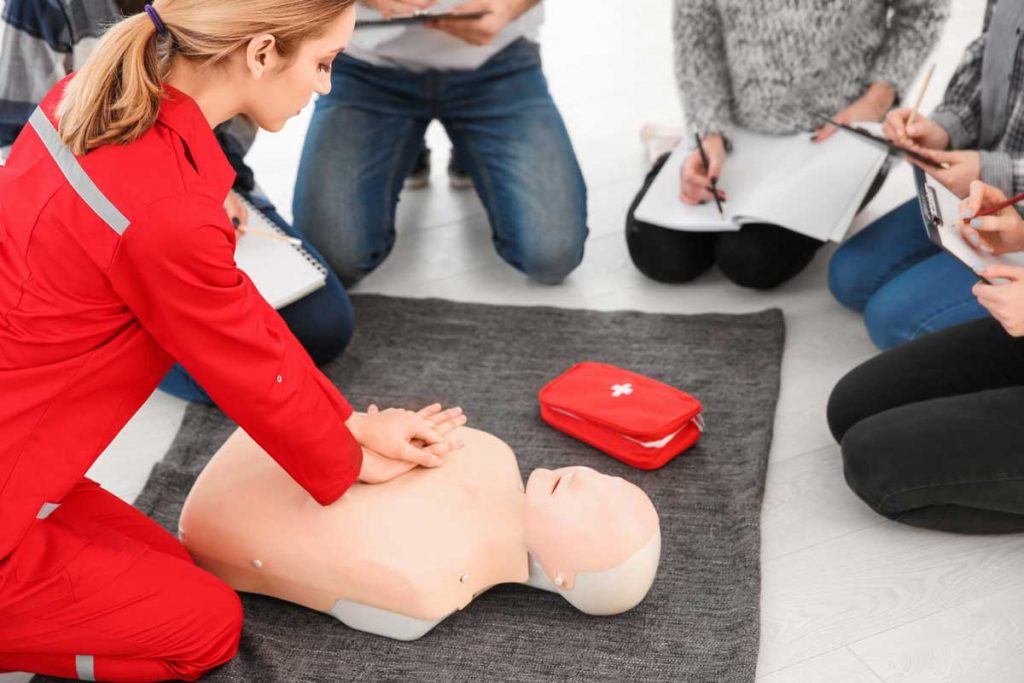
When I support facilities in choosing express first aid training, I recommend they ask a brief, focused set of questions.
- Do your trainers have direct experience with early discovering or institution setups? How do you adjust situations to our areas, outdoor areas, and tours? Can you provide express child care first aid courses on site prior to or after hours, or on weekends? What proportion of your express first aid and cpr course is hands‑on instead of slides? How do you take care of teachers with language, proficiency, or physical constraints?
You can inform a lot from how a carrier responses these. Unclear solutions or inflexibility usually anticipate a "common" experience that might not land well with your team.
For services spread throughout a number of websites, try to find express first aid courses that can standardise content across places while still adapting scenarios to local layouts. This constructs a shared language for emergency situations, which actually matters when instructors relocate between rooms or centers.
Making the most of on website express courses
One of the toughest trends in recent times has actually been Gold Coast first aid relocating away from sending specific staff to public first aid courses, and in the direction of express child care first aid training supplied on site.
When succeeded, this is extra affordable, much less disruptive, and a lot more pertinent. When hurried, it can feel like a tick box workout. A couple of practical ideas from facilities that do this efficiently:
Prepare your environment
Have a clean, open location for CPR method, in addition to access to your playground or typical excursion tools. Trainers can after that build circumstances that include climbing up frames, gates, sandpits, and prams, not just floor coverings on the floor.
Use your actual types and policies
Ask the instructor to include your case types, medication charts, and emergency situation strategies. Educators then practice with the tools they will in fact utilize on Monday early morning, as opposed to common templates.
Encourage entire group participation
Also instructors not presently due for first aid recertification can attend parts of the express first aid course as onlookers or individuals without assessment. This constructs a common culture of feedback, especially around duties and communication.
Schedule with realism
Morning or late mid-day sessions can function, but not if teachers have actually currently done ten hours on the flooring. Take into consideration splitting right into 2 much shorter express first aid sessions, or turning team through throughout a couple of days, as opposed to squeezing every person right into one marathon.
On site express cpr courses and fast first aid training can transform how a group considers emergencies. Individuals see each various other perform under light stress, find out each various other's toughness, and place voids prior to an actual occurrence subjects them.
Keeping skills sharp between courses
Even the very best express childcare first aid course only lasts as long in the memory. Without refresher courses, abilities degeneration, normally within months.
Centers that preserve solid first aid and cpr capacity construct easy regimens right into their year.
Short, informal drills
A 5 minute "CPR revitalize" throughout a team meeting, or a fast role‑play of a child with an asthma strike, helps muscles and minds keep in mind. No certifications, just repetition.
Review of real incidents
When a genuine occasion takes place, debrief it constructively. What went well, what could we enhance, did our express cpr training cover this situation, and do our policies match what actually happened? Maintain this accurate, not blaming.
Visual cues
Clear, consistent signs for emergency situation procedures, auto‑injector locations, and first aid kits strengthens what was shown. Educators under tension https://devinrfej618.raidersfanteamshop.com/express-first-aid-cpr-for-friendliness-and-retail-teams try to find basic prompts.
Regular, much shorter refreshers
Instead of waiting the full three years for one more major first aid course, take into consideration annual express cpr refresher course sessions. These focus on compressions, breaths, choking, AED use, and any type of high risk conditions provide amongst your registered children.
Over time, this split technique transforms first aid from a one‑day occasion right into part of https://telegra.ph/Express-First-Aid-Training-Building-a-Safer-Work-Environment-Rapidly-05-09 the everyday specialist identity of your educators.
When a "fast first aid course near me" is not the most effective choice
There are moments when an extremely compressed, generic fast first aid course is the incorrect device for the job.
Opening a new service with complex medical needs
If you will welcome children with substantial health plans, such as severe epilepsy, complex heart problems, or high risk allergic reactions, invest in tailored first aid and cpr training classes as opposed to off the shelf express courses. The content ought to be anchored to those details risks and treatment plans.
Recovering from a serious incident
After a significant event, such as a near drowning or severe anaphylaxis, team may need more time, conversation, and situation practice session than a common express first aid course offers. Building confidence and processing the emotional impact issues as long as ticking competencies.
Supporting brand-new educators
Those fresh to the market usually take advantage of a slightly longer, more sustained first aid and cpr course the very first time, with express child care first aid training made use of for subsequent refresher courses. Initial direct exposure collections their way of thinking for many years to come.
None of this suggests you should choose between fast first aid and high quality. It suggests you match the format to your group's experience, your solution's threat account, and the minute you are in.
Bringing it back to the children
At the heart of every express child care first aid course is a really straightforward goal: when something goes wrong, the adults in the room respond steadly, properly, and swiftly enough to transform the outcome.
I still remember one educator who had finished an express cpr course unwillingly, stressed she would certainly "freeze" if anything real occurred. Four months later, a toddler at her service started to choke on a piece of apple. She acknowledged the indicators, acted within secs, supplied effective back strikes, and cleared the obstruction. By the time paramedics showed up, the youngster was crying noisally, pink, and breathing well. The moms and dads embraced her with splits at pickup.
When we spoke after that, she stated, "I just heard my trainer's voice in my head. We had practiced that precise circumstance twice. My body recognized what to do."
That is what you are acquiring when you invest in express childcare first aid courses that respect both your time and your obligations. Not just a first aid certificate for the documents, however lived, exercised actions that shield the children and colleagues you care about most.